
Helping organizations design for humans and AI together
Sociotechnical systems consulting, organizational assessment, and executive coaching for leaders navigating AI integration - grounded in 20+ years of product leadership and PhD research.
Most organizations are treating AI as a technology problem. It's an organizational design problem.
You've seen the pattern: a new AI tool gets deployed, workflows get disrupted, people get anxious, and leadership treats it like a change management exercise. Send everyone to a workshop. Update the roadmap. Move on.
But the friction isn't about the technology. It's about how work gets divided between humans and machines, how teams make sense of shifting roles, and whether anyone stopped to ask what "better" actually looks like before automating toward it.
That gap between AI implementation and human-centered organizational design? That's where I work.
I bring a sociotechnical systems lens to AI integration - one that treats your people and your technology as a joint system that needs to be optimized together, not separately. It's informed by two decades of leading product and design teams at Meta, JPMorgan Chase, PayPal, and American Express, a PhD (in process) in Organizational Development and Change, and a research program focused specifically on Human-AI teams
“I leave our conversations feeling empowered to solve whatever challenge I’m immediately facing, as well as how I can derive more happiness and success out of my career (and, frankly, life). I cannot recommend working with Jacob enough!”
— Lindsay M, Meta
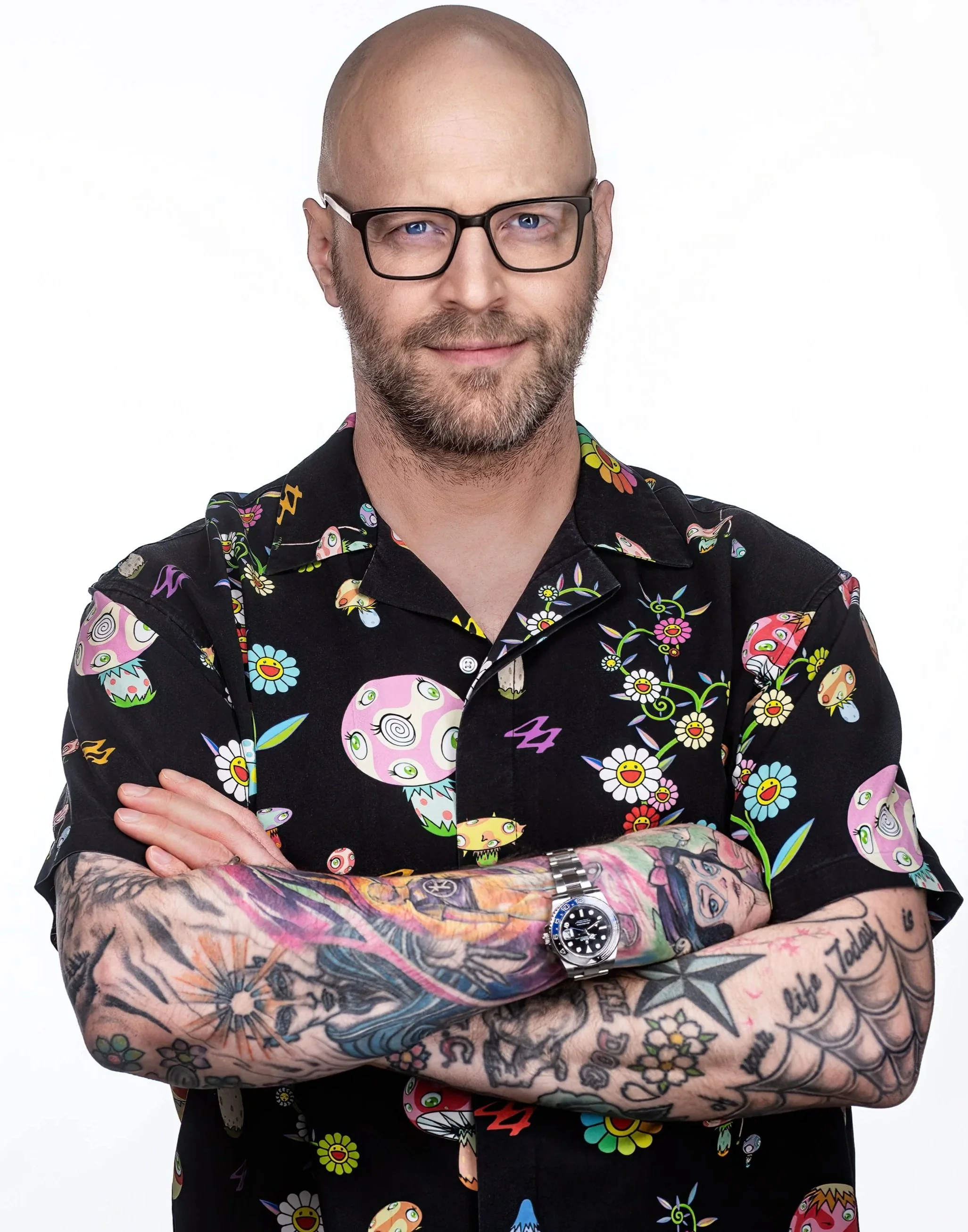
Hi, I’m Jacob,
I've spent 20+ years leading product and design teams at companies where technology shifts weren’t hypothetical - they reshaped how people worked in real time. At Meta, JPMorgan Chase, PayPal, American Express, and frog design, I learned that the biggest risk in adoption isn't getting the technology wrong. It's ignoring the human system it lands in.
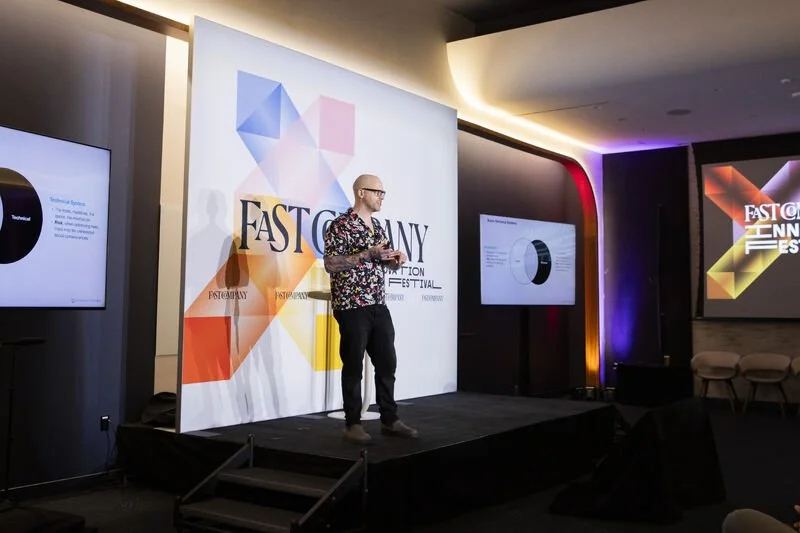
That conviction led me back to research. I'm completing a PhD in Organizational Development and Change at Fielding Graduate University, focused on Human-AI teams as sociotechnical systems. My work bridges academic research and applied practice - I've presented Human-Centered AI frameworks at the Fast Company Innovation Festival, delivered AI-augmented feedback workshops at JPMorgan Chase, and shared research with senior teams at Google.
I combine organizational systems thinking with hands-on leadership experience to help companies integrate AI in ways that actually work - for the technology and the humans operating alongside it.
Credentials
PhD in Organizational Development & Change, Fielding Graduate University (expected 2028) - research focus: Human-AI teams as sociotechnical systems
ICF-Certified Executive Coach (Columbia University training)
Leadership Circle Profile Certified Practitioner
Psychedelic Coaching Institute Certified Coach
20+ years product and design leadership

Client Love ♥
“I feel more knowledgeable and competent in coaching others more effectively. His open and non-directive approach to mentoring me was exactly what I needed.”
— Marena S, former Amazon
Sound familiar?
Your AI implementation looks great in the deck, but isn't landing with teams.
Adoption is uneven. People are going through the motions without understanding why the change matters.
You're automating workflows without redesigning the work itself.
The org chart hasn't changed, the roles haven't changed, but the nature of the work has. That mismatch is creating friction nobody's naming.
Your team's anxiety about AI is showing up as resistance, quiet quitting, or both.
The technical rollout went fine. The human side didn't get the same attention.
You're a senior leader navigating all of this while managing your own uncertainty about what AI means for your role.
You don't need a pep talk. You need a thinking partner who understands both the systems and the stakes.
Leadership wants to "be more AI-forward" but can't articulate what that means for how the organization actually operates.
Strategy without organizational design is just a slide deck.
You've hired consultants who understand the technology but not your people.
Implementation partners optimized for efficiency. Nobody optimized for the humans in the loop.
The human side of AI integration doesn't fix itself.
How i help
Three ways I work with organizations and leaders
Diagnose What's Actually Stuck
Organizational Assessment
When AI integration stalls or creates unexpected friction, the problem is almost never technical. I use a sociotechnical assessment framework to diagnose where the friction actually lives: in role design, decision-making patterns, team dynamics, or the gap between your AI strategy and your actual operating model.
The assessment examines individual, team, and organizational levels simultaneously, using methods like informal network mapping to surface the patterns that don't show up on the org chart that determine whether AI adoption sticks. This isn't a maturity model questionnaire. It's a working diagnostic that leads to actionable intervention.
Ideal for: Organizations planning or mid-stream in AI integration who need a rigorous, human-centered diagnostic before (or instead of) throwing more technology at the problem. You'll walk away knowing exactly where to intervene and why.
Align Teams on What's Shifting
Workshops & Facilitation
Not a training. Not a team-building exercise. A structured space to build shared mental models, redesign roles, and align on what's actually changing when AI enters the workflow.
Sessions range from half-day workshops to multi-session engagements, designed around your team's specific friction points. Recent work includes an AI-augmented feedback skills workshop for a JPMorgan Chase product management team and a Human-AI collaboration framework presentation at the Fast Company Innovation Festival.
Ideal for: Leadership teams and cross-functional groups where AI integration is creating alignment gaps, role confusion, or trust erosion, especially when the technology rollout went fine but the human side didn't get the same attention. You'll leave with a shared language for the change and a clear picture of what needs redesigning.
Navigate What You Can't Yet See
Executive Coaching
For senior leaders who need a partner with real systems understanding, not generic leadership advice. My coaching combines ICF-certified methodology (Columbia University training) with deep organizational systems knowledge, firsthand leadership experience, and an integrative toolkit that draws on somatic and contemplative practices.
We work on the questions that don't fit neatly into a team meeting: how to lead when you're uncertain about AI's impact on your role, how to hold space for your team's anxiety while managing your own, and how to make strategic bets when the landscape won't stop shifting. Engagements typically run 2-3 months with weekly or biweekly sessions.
Ideal for: Senior product, design, and technology leaders navigating AI-driven organizational change who want coaching grounded in systems thinking. You'll develop the clarity and confidence to make decisions when the playbook hasn't been written yet
Client Love ♥
“Jacob gave me the tools I needed to find my own path to answers. If you want build long term capacity for growth and discover the tools to help you get there, Jacob is your guy.”
— Ryan F, Facebook
What you get when research meets practice
Most AI consultants optimize for technology. Most coaches optimize for the individual. I work at the intersection - the organizational systems where human and technical elements have to function together.
That perspective comes from a specific combination:
A sociotechnical lens, not just a technology lens. We look at how humans and AI work together as a system - not as separate optimization problems.
Organizational diagnosis, not just individual development. The issue is rarely just one leader or one team. We trace the patterns that shape how AI integration actually plays out.
Research-grounded frameworks, not recycled best practices. Methods informed by PhD research in Organizational Development, sociotechnical systems theory, and Human-AI teaming - not last year's conference keynote.
Someone who's led teams, not just studied them. Two decades of product and design leadership at Meta, PayPal, JPMorgan Chase, and American Express. The frameworks work because they were forged in practice.
Frequently Asked questions
-
Most AI consultants focus on the technology stack - which tools, which workflows, which automations. I focus on the organizational system the technology lands in. That means looking at role design, team dynamics, decision-making patterns, and the informal networks that actually determine whether adoption succeeds. I don't replace your technical consultants - I address the part they're not equipped to see.
-
Start with the problem. If AI adoption is creating friction across the organization and you need to understand why, start with the assessment. If a specific team needs to align on how AI is changing their work, a workshop is the right entry point. If you're a senior leader who needs a thinking partner, coaching is where we begin. Some clients start in one place and discover they need another. We'll figure out the right starting point in our first conversation.
-
Twenty-plus years of product and design leadership at Meta, JPMorgan Chase, PayPal, American Express, and frog design. A PhD in Organizational Development and Change (Fielding Graduate University, expected 2028) focused on Human-AI teams as sociotechnical systems. ICF-certified executive coaching credentials with training from Columbia University. And recent applied work including presentations at the Fast Company Innovation Festival, workshops at JPMorgan Chase, and research presentations to teams at Google
-
Organizational assessments and team engagements are scoped and priced based on complexity, organizational size, and duration. Executive coaching typically begins with a 2-3 month engagement. I'll give you a clear picture of investment during our first conversation. No surprises, no pressure.
AI is changing how organizations work. The question is whether you'll design that change or just react to it.
You don't need to have the whole picture figured out. But you do need someone who understands both the organizational systems and the human dynamics at play - and who's done the research to back it up.